
Giardia is nasty when it comes to puppies. It’s one of the big risks that were try not to take when it comes to their incomplete immune system.
Giardia, a highly unpleasant protozoan parasite, commonly affects puppies and poses a significant health risk. This single-celled parasite, primarily Giardia duodenalis and Giardia intestinalis, resides in the small intestines of mammals, including dogs. In puppies, it often leads to giardia infection, marked by symptoms like watery diarrhea and weight loss. Understanding the nature of giardia, its transmission, and its impact on young dogs’ vulnerable immune systems is crucial for pet owners.
Recognizing and treating giardia in puppies is essential for several reasons. First, the infection can cause severe gastrointestinal symptoms, which can lead to dehydration and malnutrition. In young dogs, whose immune systems are still developing, giardia can be particularly harsh, making early detection and treatment vital. Giardia cysts shed in an infected animal’s feces can contaminate water sources, leading to further spread of the parasite. Awareness among pet owners about the risks of giardia, especially in environments like dog parks, is crucial for controlling its spread.

Understanding Giardia
Giardia is a protozoan parasite that infects the intestines of dogs, causing giardiasis. It exists in two forms: the trophozoite, which is the active, feeding form living within the host’s intestine, and the cyst, the form that is shed in feces and can survive in the environment for long periods. When a dog ingests these cysts from contaminated water, food bowls, or direct contact with infected fecal matter, the cysts develop into mature parasites in the dog’s small intestine.

There are multiple genotypes of Giardia, but Giardia duodenalis (also known as Giardia lamblia or Giardia intestinalis) is the most common species infecting dogs. This type of giardia is zoonotic, meaning it can be transmitted to humans, making it a concern for pet owners and families, especially those with young children or immune-compromised individuals.
Giardia spreads primarily through the ingestion of cysts found in contaminated water or fecal matter. Puppies are especially at risk in places like dog parks or animal shelters, where they can come into contact with infected feces or water. The cysts can also cling to a dog’s hair coat, making it possible for the parasite to spread to other household animals or even family members. Good hygiene practices, including regular cleaning of water bowls and avoiding exposure to potentially contaminated water sources, are essential in preventing giardia transmission.

The Impact of Giardia on Puppies
Puppies are particularly susceptible to giardia for a few reasons. Their immune systems are not fully mature, making them less capable of fighting off infections. Young dogs also tend to be more curious and less cautious, increasing their chances of ingesting contaminated water or feces. Moreover, the presence of giardia can exacerbate or be confused with other conditions like inflammatory bowel disease, common in younger dogs.
The most common symptom of giardia in puppies is watery diarrhea, which may contain blood or mucus. Other clinical signs include soft, greasy stools, foul-smelling diarrhea (often referred to as “beaver fever” when it affects humans), dehydration, and in severe cases, weight loss. Since these symptoms can also be indicative of other health issues, a proper diagnosis is crucial. Pet owners should be vigilant about any changes in their puppy’s stool or overall health, particularly after visits to dog parks or other communal areas.
While many dogs with giardia show no symptoms, in young or immune-compromised dogs, the infection can be more severe. Chronic giardia infections can lead to significant weight loss and prolonged diarrhea, which can be particularly detrimental to a puppy’s growth and overall health. Regular veterinary check-ups and paying close attention to your puppy’s poop can help in early detection and treatment, ensuring the best outcome for your pet.

Diagnosis and Detection
Accurate diagnosis of giardia in puppies is essential to ensure appropriate treatment. Misdiagnosis can lead to ineffective treatments and prolonged discomfort for the dog. Symptoms of giardia, such as watery diarrhea and weight loss, can be similar to other health issues, including inflammatory bowel disease. Therefore, it is crucial to conduct proper diagnostic tests to identify the presence of giardia cysts or antigens in the dog’s stool.
- Fecal Samples and Stool Tests: Collecting a stool sample from the infected dog and conducting a fecal test is the most reliable method for diagnosing giardia. This test looks for the presence of giardia cysts or antigens in the dog’s feces. Since giardia cysts are shed intermittently, multiple fecal samples over several days may be required for an accurate diagnosis.
- Identifying Giardia Cysts and Antigens: Advanced diagnostic tests, such as enzyme-linked immunosorbent assays (ELISA) and polymerase chain reaction (PCR), can detect giardia antigens and genetic material, providing a more accurate diagnosis. These tests are particularly useful in identifying giardia in dogs that show symptoms but have a negative standard fecal examination.

Treatment and Management
Treating giardia in puppies involves a combination of medication and environmental control. The treatment plan usually includes anti-parasitic medications prescribed by a veterinarian. It is important to follow the treatment plan precisely and attend follow-up appointments to ensure the parasite is completely eradicated.
- Environmental Disinfection and Hygiene: Regularly cleaning and disinfecting areas where the dog spends time, especially hard surfaces, is crucial. Using chlorine bleach diluted in water (one gallon of water to 30 ml of bleach) is effective in killing giardia cysts. Additionally, washing the dog’s bedding, toys, and food bowls can prevent re-infection.
- Safe Water Practices: Ensuring your puppy has access to clean, fresh water is vital. Using a water filter for drinking water can help reduce the risk of giardia infection. Avoid letting your dog drink from standing water sources, which may be contaminated with giardia cysts.
- Regular Veterinary Check-ups: Regular check-ups with a veterinarian are important for early detection and prevention of giardia, especially for puppies and young dogs. Discussing the use of heartworm preventatives and other medications that may offer some protection against giardia is a good idea.
Special Considerations
Differences in Infection and Response
- Young Puppies vs. Adult and Senior Dogs: While giardia infection can affect dogs of all ages, young puppies and senior dogs are at higher risk due to their less robust immune systems. In older dogs, the symptoms may be less severe but longer-lasting, requiring a different approach to treatment and management.
- Role of Coexisting Conditions: In dogs with preexisting conditions like inflammatory bowel disease, giardia infection can complicate the clinical picture. It’s important for pet owners to be aware of their dog’s overall health and to seek medical advice for any signs of illness.

Giardia in the Broader Context
- Prevalence in Different Regions: Giardia is one of the most common intestinal parasites in dogs across the United States. Understanding the prevalence in your area can help in taking appropriate preventive measures.
- Relation to Other Intestinal Parasites: Giardia is just one of many parasites that can affect a dog’s internal systems. Regular fecal tests and maintaining good hygiene are essential in preventing a range of parasitic infections.
The Bottom Line
Understanding and managing giardia infection in puppies is crucial for ensuring their health and well-being. As a common yet highly treatable condition, awareness of giardia’s symptoms, transmission methods, and effective treatment options is essential for pet owners. By emphasizing regular veterinary check-ups, maintaining good hygiene, and adopting responsible pet care practices, owners can effectively manage and prevent giardia, contributing to the overall health of their pets and the broader community.
Remember, whilst Giardia is a risk, we can safely socialise our pups before they’re fully vaccinated.
Author, Ali Smith
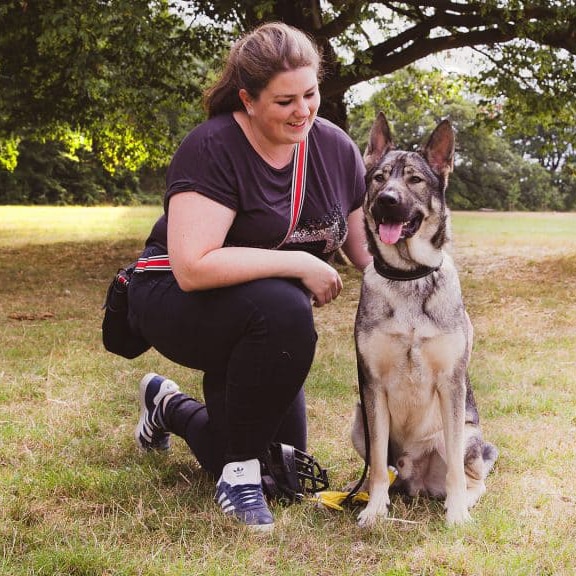
Ali Smith is a professional, qualified, and multi-award winning trainer is the founder of rebarkable. She has always believed animals deserve kindness and champions force free methods. Believing that dog guardians will all choose the kindest options if proper information is provided, she aims to help all dog guardians who need it and make dog training as accessible as possible
Ali lives win Maryland, US with her husband and her three dogs.

0 Comments