Labels are a necessary thing within this world so that we can find resources within them.
However, I want to talk to you today about the importance of using the correct label, and why sometimes – if you don’t know how to label your dog, why it’s best that we don’t.
I’ve done an awful lot of looking into labels, because of my own dogs, because of my job, and on your behalf! And I know the problems they can create, and the problems the can solve. I’ve also been on the receiving end of ‘mislabelled’ dogs.
We’ve been talking a lot recently about reactive dogs, and it’s so easy to throw a label on a dog and go “They’re this” or “They’re that”… but is it always a good thing to do? Labels are powerful, but do we also need to be careful?
The Benefits Of Labels
Oftentimes, it makes finding information easier.
The dog industry typically struggles with the fancy fandangles of modernity, and consequently websites and sometimes a trainers fear of looking silly in front of our peers can mean that we use overly floury, technical terms that the normal person doesn’t know, will never know, and doesn’t need to know.
Consequently, knowing how we label a dog? Can find you a little pot of gold at the end of your rainbow.
All, for one, tiny, teency label.
Seems daft, huh?
It can also help you find your tribe!
Because you’re not alone in your reactivity, or your experiences with separation anxiety, or excited greeters or any other problematic display of emotion that your dog presents with. No matter how unique a dog is? There is almost always another dog going through the exact same thing.
The Consequences of Mislabelling
Now, this has a lot of dependency on what the label is specifically. But labels are incredibly powerful, and have some heavy connotations that your dog may not need.
Training the wrong problem
Whether you’re thinking that your dog is just an excited greeter, when they’re showing fear based reactivity, or you think their toilet training is failing but they’ve got separation anxiety. You end up training the wrong thing, not seeing progress and you may actually compound the problem.

Panicking
You absolutely can think you’re in too deep, too quick, and panick. I’ve done it! I’ve been there. It’s the “Oh god, I’ve got an aggressive dog, what do I do? I can’t do that. That’s not something I can do. I can’t afford a behaviourist, I can’t manage that. I’m already exhausted” sound familiar?
Yeah, I know the story.
That label is powerful. And then, if you’re wrong? You’ve done a whole bunch of panicking for absolutely nothing.
Wrong Terminology Gets You Outdated Methodology.
There’s a finesse to this industry that unless you’re submerged in it, you might miss. For example… looking at Indie who was barking and lunging and would engage in a fight, a balanced trainer would call him “aggressive” – but a positive reinforcement trainer would call this “Reactive”.
And the depth of the consequences of these terms, and the consequently training methodology can be quite dramatic.
On that note, please always, always use modern, science based training. There is no need for pain when we train – use their brain instead. They have one.
Legalities…
Now, I’ve never heard this actually happen, but if you start labelling your dog as this or that, and then something does go wrong? Then there’s written evidence, from you that you feel that this was the way your dog was – if you arent acting on that or taking appropriate counter measures, then… is that going to go against you should legal proceedings occur?
I wouldn’t take the risk.

What to do instead
To me, I don’t want you to come to me and say “My dog is reactive”, I want you to come to me and say “We’ve got an issue, I’m seeing this behaviour, that oddity, and this thing, what do you think?” because if I can see the symptoms – I can tell you the problem.
It’s the exact same as walking into the doctor going “Doc, I’ve got cancer. I’m gonna die. It’s gonna be hell” and the doctor already comes in with a bias point of view. Where as if you go “I’ve got a lump, here, it’s sore, it’s new, it’s grown really rapidly” then the doctor examines it and goes “It’s a cyst”.
Do you see what I mean? Let’s not put the cart before the horse.
Let’s Keep Open Minds
Try not to label until you get an expert opinion, like mine.
Not the psuedo expert in the dog park who knows it all… and doesn’t.
Getting a proper label with discernable advice is something that a professional can give you.
If you need support with your reactive dog, please do get in touch! I’m always happy to help with reactive dogs – I’ve even got my Rebarkable Reactives launching soon!
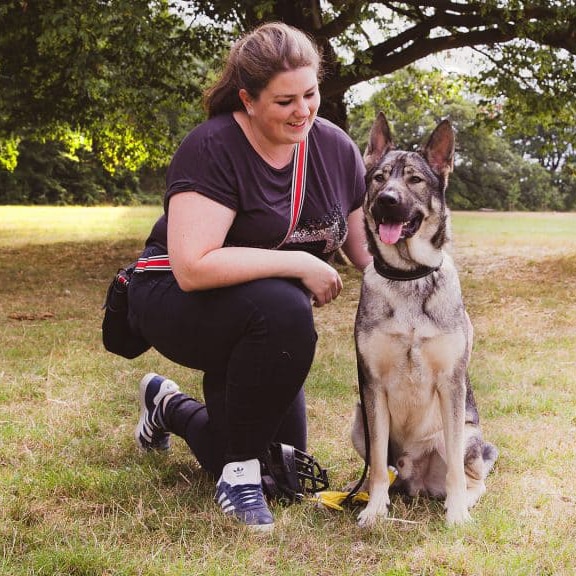
Author, Ali Smith
Ali Smith is a professional, qualified, and multi-award winning trainer is the founder of rebarkable. She has always believed animals deserve kindness and champions force free methods. Believing that dog guardians will all choose the kindest options if proper information is provided, she aims to help all dog guardians who need it and make dog training as accessible as possible
Ali lives win Maryland, US with her husband and her three dogs.






0 Comments