Socialisation is a huge thing within the life of a dog, and as a puppy it takes a lot of training, so what are the results of that, and where do they go? Well that would be the spectrum of Dog Sociability!
It’s not an easy thing to understand because ‘normal’ is a hard thing to achieve. But when we look at our dogs, the one thing that you can take comfort in is that it’s never black and white.
So what is it?! What do we need to know when it comes to the sociability of the domestic canine, to our best friends.

Categories Of Socialised Dog
There are three main categories that we can look at, they definitely have a lot more “subsections”, but they’re
“Normal”
Normal is a broad term, and what it means is that the dog is ‘properly’ socialised and well adjusted to the human world. The main features or exhibited signs of this are;
- Accepts most dogs and humans,
- Your dog can still focus in the presence of most things or potential triggers,
- Body posture free & flowing.
These dogs are pretty rare, if we’re honest. It’s really hard to create a perfectly adjusted dog.
Over Socialised
Prone to running off to see another dog or person, or doing what they want as they want to do. Then, if denied, it can increase to frustration and that can result in a lot of vocalisation.
- Runs up to dogs/humans
- Cannot focus in presence of other dogs/humans
- Ignores social cues from other dogs
- Body posture direct and intense
- Vocalisation
- Unable to learn
Note, whilst this is labelled over socialised, this can happen with under socialised dogs, or dogs who’ve never been taught.
Reactive
Reactivity is, essentially, a dog’s inability to deal with things or events in his life that would be deemed “normal”. This could be anything from a dog to a traffic cone and everything in between.
- Cannot cope with “normal” experiences
- Cannot still focus in the presence of a trigger
- Fight/flight response triggered
- Body posture tight, stiff and intense
- often exhibits barking/lunging
- Can be silent
- Unable to learn
Note, it’s really important that we remember, just because this appears at the opposite end of the spectrum to over socialised does not imply that these dogs are not necessarily under socialised!
But, is this linear approach the best overview of how our dogs live their lives?
Well, that one is a difficult one. And my experience with dogs tells me that that isn’t the case.

The line between “Over socialised” and “Reactive” is a very fine line, so find in fact that the line here, truthfully, is blurred. This is why the outward “symptoms” of both of these issues can present incredibly similarly! So, let’s look at this “Line” approach… Is it applicable any longer?
I don’t think so.
The Wheel Of Canine Sociability

Nope! The sociable relationship between dogs and the world around them is really complex, but if we simplify it, in any particular circumstance can be described as a wheel! Because these things are undeniably interlinked.
This is why these dogs present similarly in symptoms and, indeed, why we can treat them very similarly! The differences are there, but the overall largest chunk of getting a dog to recovery is the training aspect.
The Spectrum of Canine Sociability
This is a really brief post, but it’s worthwhile explaining this because it’s often considered that there is a huge difference between over socialisation and reactivity, and sometimes? Over socialisation can absolutely result in reactivity.
If you’re in this situation? Why not get in touch and see how I can help? Or book a bark day and we’ll discuss!
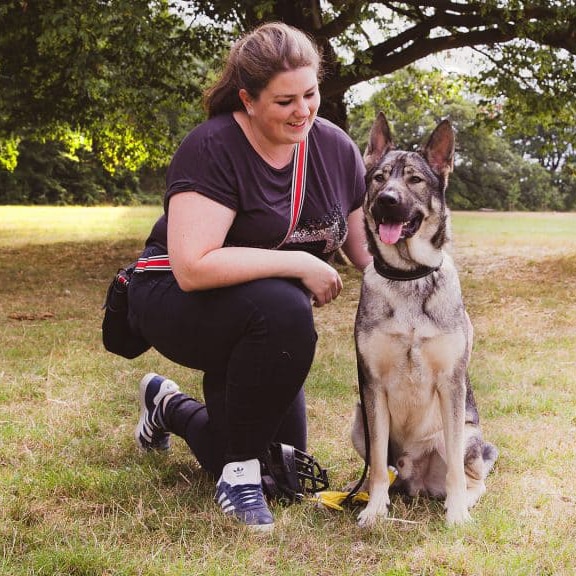
Author, Ali Smith
Ali Smith is a professional, qualified, and multi-award winning trainer is the founder of rebarkable. She has always believed animals deserve kindness and champions force free methods. Believing that dog guardians will all choose the kindest options if proper information is provided, she aims to help all dog guardians who need it and make dog training as accessible as possible
Ali lives win Maryland, US with her husband and her three dogs.



0 Comments