Our dogs weight is directly related to their health, wellbeing and longevity, it’s one of the critical factors in raising your dog.
When weight is this important, it’s a thing we need to discuss, be open and honest about with no judgements, shame or anything else. This is pure information that is meant for the betterment of you and your puppy or dog’s lives together.
Health and happiness depend on weight, I’ve seen issues where young puppies are so overweight? It actually limits their ability to participate in games and socialisation with their doggy friends, or the exercise they receive. These situations are far from advisable, and when this can inhibit their learning too? It’s just not worth it, right?
I want to walk you through not only how to tell if your dog is about right, over or under their ideal weight, but give some advice on how to keep them there and what can happen (medically speaking) if they’re allowed to remain overweight or underweight for long periods of time – though, seen as that’s not my area of expertise, I’ve drafted in a wonderful friend of mine, Zoe Blake, the Friendly Pet Nurse – who has helped coach the families of overweight pets to help them shed some pounds and return to a healthy weight, so she really knows this stuff!
So let’s start here…
What Should My Dogs Weight Be?
This one is really hard to say, because with over 400 breeds recognised across the world, and variations within those breeds, and a whole host of crossbreeds? I can’t give you definitives, because they’re all different.
So, what I will say is that I like to look at body shape rather than the number on the scales.
Whilst the number on the scale is helpful, as are comparisons to similar dogs, it’s also not the be-all and end-all, think of it like comparing a 5’10 marathon runner vs a 5’10 body builder, then compare those from male to female. A field bred lab is going to weigh a vastly different amount to a show bred, and then depending on condition? Oy… get’s hard, huh?
So what I’m going to walk you through today, is Correct weight, underweight, and overweight. It’s really important that you consider your dogs breed alongside this, because whilst I’d be seriously concerned to see the hip bones on a Yorkshire terrier, on an azawakh? This is breed standard, so remember to adjust for your dog.

Correct Weight
Your dogs body should be lean, have a nicely tucked waist, you can feel the spine easily, but there are no obvious protrusions, ribs can be felt throughout but thinner coated dogs, you’ll see the last one or two ribs nicely. Hip bones should be covered, and muscle tone should be nicely visible under the coat.
For dogs with longer coats, rely mainly on the feel of them? Again, they should have a nice palpable rib and spine, with muscle coverage, but not fat.
Consideration: For more athletic breeds, like hounds, consider that their stomach really does tuck up like a thoroughbred racehorse, and from experience, it’s quite hard to get it to tuck beautifully, unlike my shepherd who has a wonderful waist (most of the time)

Overweight
Ribs, hips and spine become covered and indistinct visually, they can perhaps be felt with some good probing. Naturally the more obscured these become, the closer we tend towards obese.
The waist will be thicker, and not visibly indented, giving them a more ‘potato’ like shape. These can be dangerous times for your dog.
If you need help in decreasing the weight of your dog or puppy, go see How to Help Your Dog Lose Weight to help get your woof fit and healthy once more!

Underweight
Now you’re going to see a lot of protrusion, lots of ribs, lots of spine and a lot of hip – even sometimes the bones over the tail can become visible – which is really sad. Their waist will become really pronounced, and even their faces can become ‘drawn’. If things get very severe, then it may be advisable to head to the vets, especially if your dog is not wanting to eat or drink – but I’m hoping you don’t let it get this far. Normally dogs like this are rescues, and are treated or tended to before they come to their forever home. But, young puppies who are over-exercisers (or endurance monsters) can also get quite skinny.
If you’re looking for ways to help your dog to eat more, or gain some weight? Why not try these tips – they work really well for both puppies and adults!!
With this covered? It’s probably time we talk about why dogs gain weight, and what the potential consequences can be, right? So… here we go with the first, and primary reason that moves the needle on those scales
Food
Either they’re not being fed enough (underweight) or they’re being fed too much (overweight). It’s a pretty simple calories in vs calories out – but when food comes packaged as kibble, with those awful charts on the back, it can be confusing.
The thing here is to always feed them for their ideal weight. If you can do this? Then they shouldn’t be gaining or losing – at least not without a change in something else, such as exercise (below).
And remember, the fresher you can feed? The easier weight maintenance is.
Exercise
Obviously, the more calories your dog burns the less they’re getting on the other side of the scales.
So, the more exercise they do, the more of that food they burn off, and the less goes into long term storage as fat. Pretty simple! So for our overweight – eek up the exercise (slowly please! It’s likely they’re not that fit under all that chunk!) and for our underweight? Decrease the exercise where at all possible.
Medical Reasons
There can be medical reasons for weight increases, such as hyperthyroidism can cause unexplained weight gain, and worms or other parasites may cause weight loss. EPI may also give a puppy a reason not to gain weight or to struggle to gain weight!
Cancer can also cause both, and it should always be a discussion with your vet before embarking on any new plan or diet to help your dog through things.
For information? There are 7 breeds the AKC note as being prone to hyperthyroidism, so keep an eye out!
Breeds prone to hyperthyroidism
🎾 Airedale Terrier
🎾 Cocker Spaniel
🎾 Dachshund
🎾 Doberman
🎾 Golden Retriever
🎾 Irish Setter
🎾 Miniature Schnauzer
(source)
Medical Consequences
( Forthcoming! )
Quick Tip For Helping Your Dog Maintain A Healthy Weight.
How I monitor Indie? Is that when he starts getting little ‘love handles’ when he sits over his back legs? We make the next meal smaller. Variation and fluctuation in weight and body shape is natural but it just means that you can’t ignore your dog’s changing of shape. Sometimes it’s indicative of overfeeding, or underexercising, but it can also be a symptom of something more sinister and may require a vet check!
And that’s that! With this, and understanding how to maintain a healthy weight, I think you’re pretty much set so that you and your pup can live a happy, and healthy life together.
The core of it is…
✅ Feed As fresh as you can.
❌ Feed more than necessary
✅ Get plenty of exercise
❌ Indulge the puppy dog eyes!
✅ Adapt to your dog on a day by day basis
❌ ignore the warning signs
✅ Speak to a vet if you’re concerned!
With that all in? You and your puppy or dog should be set up for healthy future lives together.
Want to share this info?
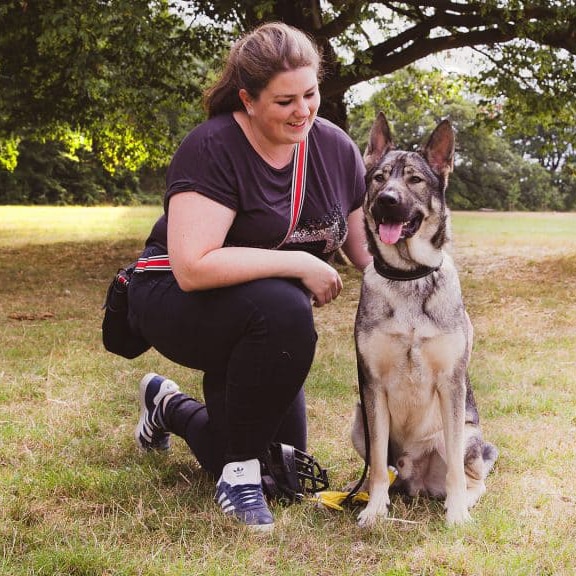
Author, Ali Smith
Ali Smith is a professional, qualified, and multi-award winning trainer is the founder of rebarkable. She has always believed animals deserve kindness and champions force free methods. Believing that dog guardians will all choose the kindest options if proper information is provided, she aims to help all dog guardians who need it and make dog training as accessible as possible
Ali lives win Maryland, US with her husband and her three dogs.
0 Comments